
Clearing the Way: How Parking Policy Can Shape (and Improve) Snow Response
This winter has been a reminder of how quickly snow and ice can disrupt city operations across the Mid-Atlantic and beyond. From delayed plowing to blocked curb lanes and limited mobility, winter weather has highlighted a familiar challenge for public works and transportation teams: parked vehicles can significantly slow down snow removal and recovery efforts.
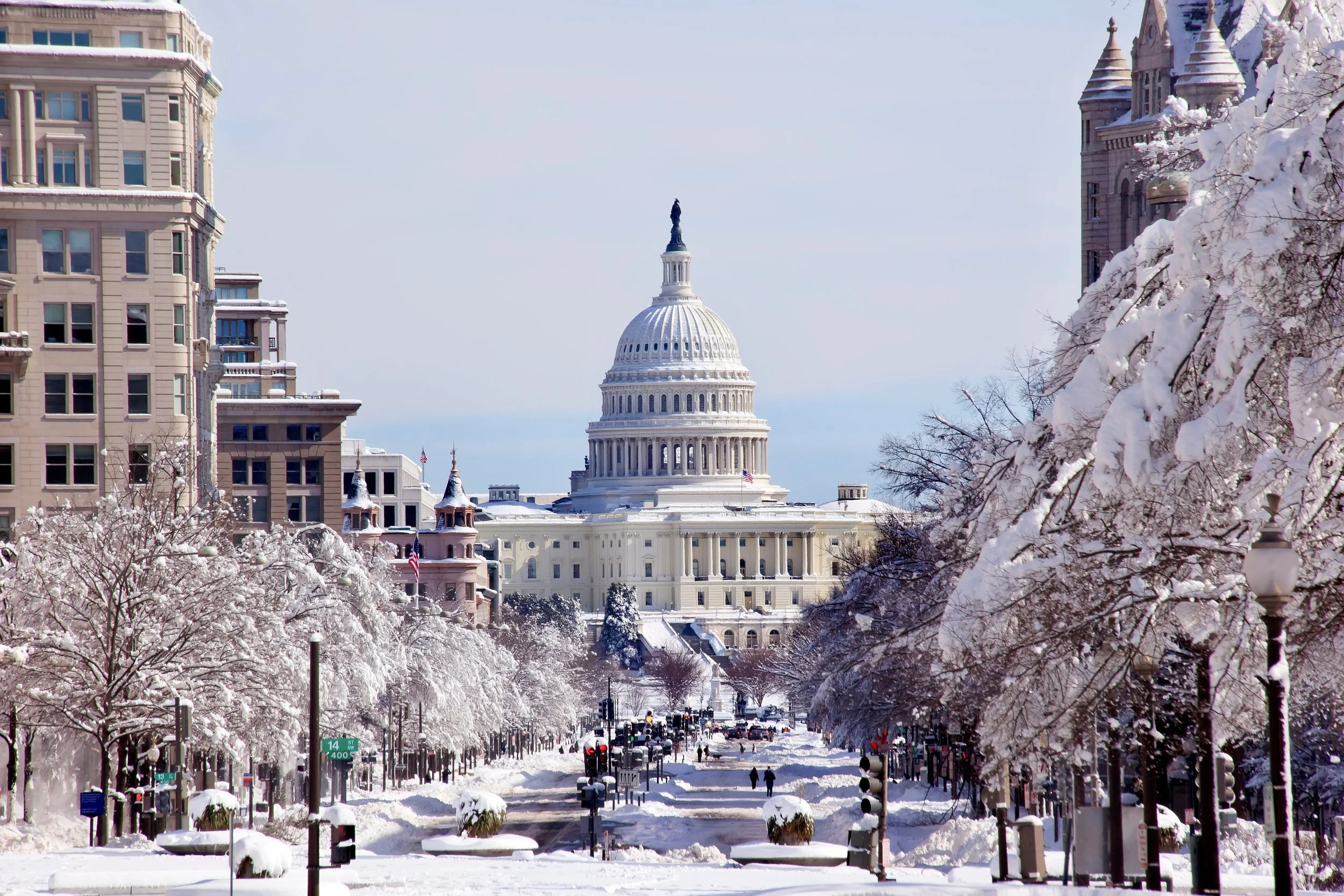
In Washington, DC, snow emergency rules require drivers to move vehicles off designated routes so plows can clear streets curb-to-curb. Cars that remain can be ticketed or towed. The operational goal is simple: clear roads faster and keep travel safer. But in dense urban environments, getting vehicles off the street isn’t always easy.
That challenge is driving a growing conversation around whether parking policy, including temporary rate reductions or free garage parking during snow events, could help cities manage winter operations more effectively.
Parking as a Snow Management Tool
Traditionally, cities rely on enforcement and towing to keep snow routes clear. While necessary, enforcement alone can be resource-intensive and frustrating for residents.
Some jurisdictions in the region are exploring or using a different approach: incentives.
For example, Montgomery County, Maryland waives parking fees in county garages during declared snow emergencies and encourages residents to move cars off the street. (Montgomery County Maryland) The idea is straightforward, making off-street parking easier and more attractive so plows can work faster and more efficiently.
This represents a subtle but important shift: using parking policy not just for regulation or revenue, but as an operational strategy.
Why This Conversation Is Growing
Recent winter storms across the DC region illustrated how difficult snow removal can become when streets are crowded with parked vehicles. When curb lanes are obstructed:
Plows cannot clear curb-to-curb
Snow piles build up faster
Mobility for drivers, transit, and pedestrians is reduced
Cleanup timelines stretch longer
Encouraging drivers to move vehicles off the street, especially before a storm, can have outsized operational benefits.
What This Means for Cities in the Mid-Atlantic
For cities and agencies across the region, the bigger takeaway is not whether one specific policy is the right answer, but how parking can support broader mobility and public works goals. Key considerations emerging from this conversation include:
Incentives vs. enforcement. Temporary garage discounts or waived fees may increase voluntary compliance and reduce towing demands.
Public-private collaboration. Partnerships with parking operators could expand off-street options during emergencies.
Operational flexibility. Parking policy can become a tool that supports snow response, not just day-to-day management.
Clear communication. Residents need simple, consistent guidance about where to park and why it matters.
These ideas reflect a larger industry trend: parking is increasingly being viewed as part of the mobility and operations ecosystem, rather than a standalone function.
Cold Weather, Smart Policy
Winter weather will always test urban infrastructure. But it also creates opportunities to rethink how cities use their curb space and parking assets. As communities continue evaluating snow response strategies, parking policy may play a larger role in helping streets recover faster and more safely.
The growing conversation around incentives, off-street parking, and operational coordination underscores a broader lesson for transportation professionals: sometimes small policy adjustments can create meaningful improvements in how cities move, especially when conditions are at their most challenging.
