
MAPTA Member Profile: Andrew Sherstad, TEZ Technology
MAPTA’s Member Profile Series continues this month with another look at the professionals helping shape the future of parking, transportation, and mobility across the Mid-Atlantic region.
Through this series, MAPTA members share their perspectives on industry trends, operational challenges, emerging technologies, and the experiences that continue to drive innovation across our field.
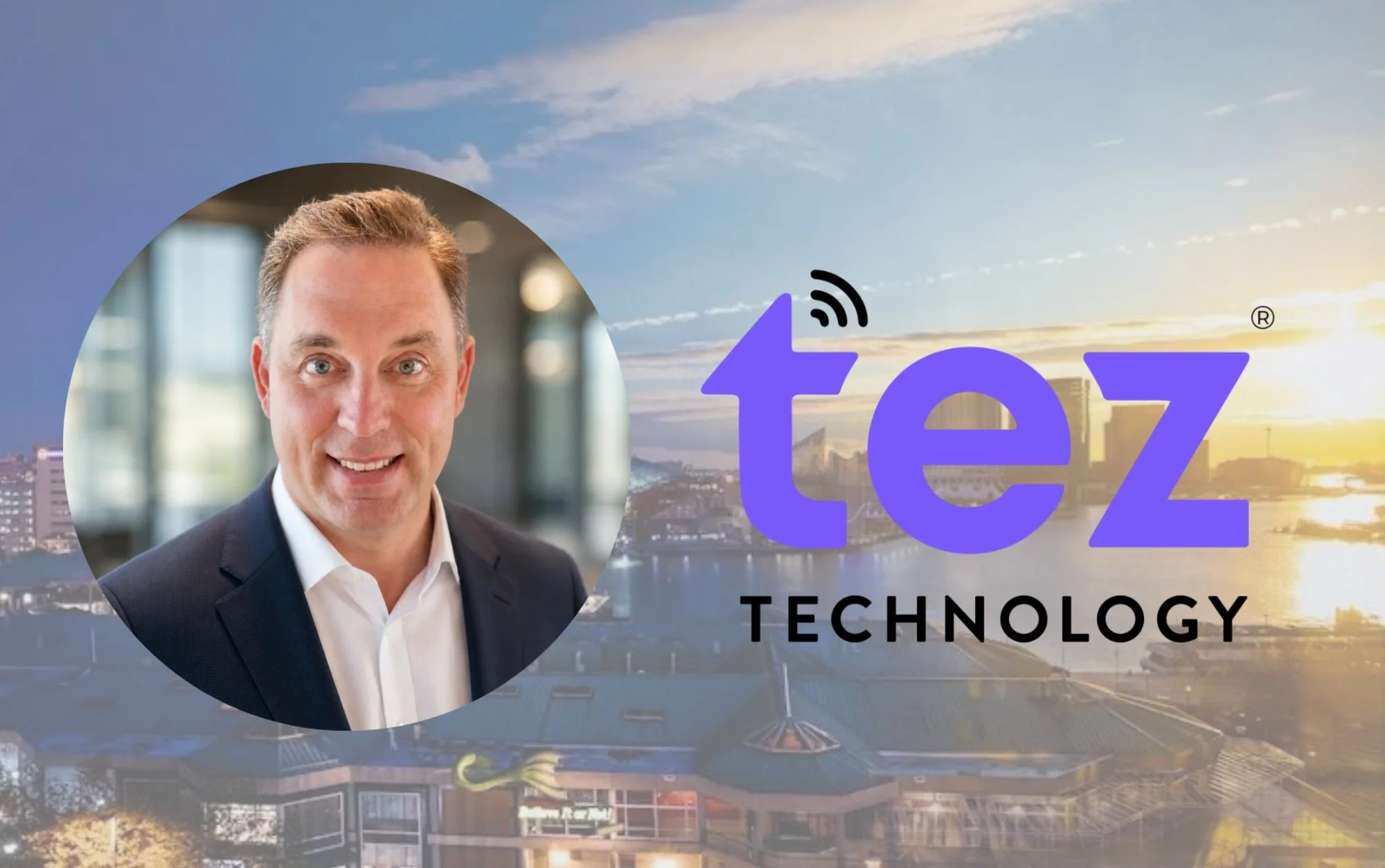
This month, we’re featuring Andrew Sherstad of TEZ Technology, who shares insights on technology adoption, data-driven operations, evolving parking models, and the importance of building solutions that truly work for operators and customers alike.
Tell us about your role and your organization’s connection to parking, transportation, or mobility in the Mid-Atlantic region.
VP of Sales East at TEZ Technology. I've been in this industry for over 22 years, long enough to have seen a lot of promises and a fair amount of delivery. TEZ works with operators of all sizes, municipalities, hospitals, universities, and private owners across a territory that stretches from Minnesota to Miami. The Mid-Atlantic, Maryland, DC, Virginia, West Virginia, Delaware, is where I spend most of my time and where I know the market best. What keeps me in this business is pretty simple: the people I get to work with and the chance to make technology actually easy to use for the motorist on the other end.
How did you first become involved with MAPTA, and what keeps you engaged today?
I got involved with MAPTA back in 2013. I came in looking for opportunities to learn from industry leaders and share what I was seeing in the field. Thirteen years later, that's still what keeps me coming back. The people, past and present board members who stay actively involved long after their term ends, say everything about the strength of this association. That kind of dedication doesn't happen by accident, and it's been a big part of my own growth in this industry.
What are the biggest priorities or challenges your organization is focused on right now?
At TEZ Technology, our priority is making everything Totally EZ for our partners and the motorists they serve. That means increasing revenue and improving the experience through solutions that are simple to implement and easy to use from day one.
The biggest challenge right now is adoption. The industry is moving fast but a lot of operators are still waiting to see if new technology actually fits how their teams work. If it's not easy to use or doesn't show value quickly, it won't stick. That's where we focus. Simple, practical, and fast to deliver results. When adoption happens, everything else follows.
What lessons or insights have you gained from that experience that others in the industry might find helpful?
Change happens slower in this industry than most. I've seen it firsthand over 22 years, from cash to digital payments, license plate recognition, integrated enforcement, connected mobility. None of it happened overnight and a lot of good technology didn't make it simply because adoption was an afterthought.
What I've learned is that technology doesn't solve problems. Adoption does. The solutions that stick are the ones that fit into how people actually work and prove value early. That's it.
Are there any trends or challenges you see emerging specifically in the Mid-Atlantic region?
The biggest shift right now is the move toward fully integrated, gate-free parking models. Property owners like it because it feels clean and modern. But in DC especially, it's not plug-and-play. Most garages weren't built around gates to begin with. You've got garage doors, valet setups, monthly parker levels. It's a hybrid model because of how the city was built, so the transition is more complicated than it looks from the outside.
At the same time, data is driving decisions and attracting new investment, from large mobility players to private equity. That's accelerating everything.
The region is in flux. More options, more pressure on operators to evolve, and a real shift in how value gets delivered.
How has your involvement with MAPTA supported your professional growth or industry perspective?
MAPTA has been a big part of how I see this industry. There's over 10,000 years of combined experience across the membership and I tap into that regularly. The relationships I built early on are still active today. I reach out for insight, perspective, and honest feedback from people who've seen every cycle of this industry and are still helping shape where it's going.
That's not networking. That's mentorship at scale.
What do you value most about connecting with peers through MAPTA?
The willingness to give time. People here are genuinely open to sharing what they've learned, including the hard lessons. Across Maryland, DC, Virginia, West Virginia, and Delaware you're dealing with a wide range of operators facing very different challenges and watching how peers approach those problems differently is one of the best ways to sharpen your own thinking.
The other thing is honesty. You get real perspectives, not polished ones. That's harder to find than people think.
What’s one misconception about parking, transportation, or mobility you wish more people understood?
That parking is simple. It looks that way from the outside but it's one of the most operational, local, and constantly changing businesses there is. Every facility is different. Different demand, different infrastructure, different ownership goals. What works in one location won't work two blocks away.
It's also usually the first and last touchpoint of the entire customer experience. When it goes wrong, everyone feels it immediately. When it goes right, nobody notices. That's a tough business to be in, and it deserves more respect than it gets.
What’s something the industry is doing better today than five years ago?
Using data to make decisions. Five years ago, it was mostly gut feel and legacy process. Today operators and owners are actually looking at utilization, pricing, and customer behavior and letting that drive how they run their business. That shift is leading to better performance and a more intentional approach to the customer experience.
It's also attracting serious investment, which is pushing innovation faster than the industry has ever moved. There's still room to grow, but the move toward data-driven decision making is real progress.
What excites you most about the future of parking, transportation, and mobility?
Honestly, AI. It's moving faster than anything I've seen in 22 years in this industry. Large language models are making it easier to build instead of buy, and that's going to push innovation at a pace we haven't seen before.
That said, it's a little unsettling too. The speed creates real security concerns and opens the door for misuse. That's why who you partner with matters more now than ever. The operators and technology providers with real data, real controls, and real experience are going to separate themselves quickly from everyone else just along for the ride.
The upside is huge if the industry gets that balance right.
When you’re away from the world of parking and mobility, how do you like to spend your free time?
Outside of parking and mobility, I enjoy spending time with my wife Liz and our two boys, ages 6 and 8, who keep us busy with baseball, tennis, hockey, and just about every other sport imaginable. As a family, we love to travel, stay active, and make the most of time together.
I’m also an avid golfer and enjoy the social side of the game just as much as the competition. Having lived in Las Vegas for many years, I’ve always appreciated the entertainment, hospitality, and strategy side of gaming and resort culture, which probably ties back to my passion for customer experience and hospitality. Whether it’s sports, travel, golf, or spending quality time with family and friends, I enjoy experiences that bring people together and create lasting memories.
